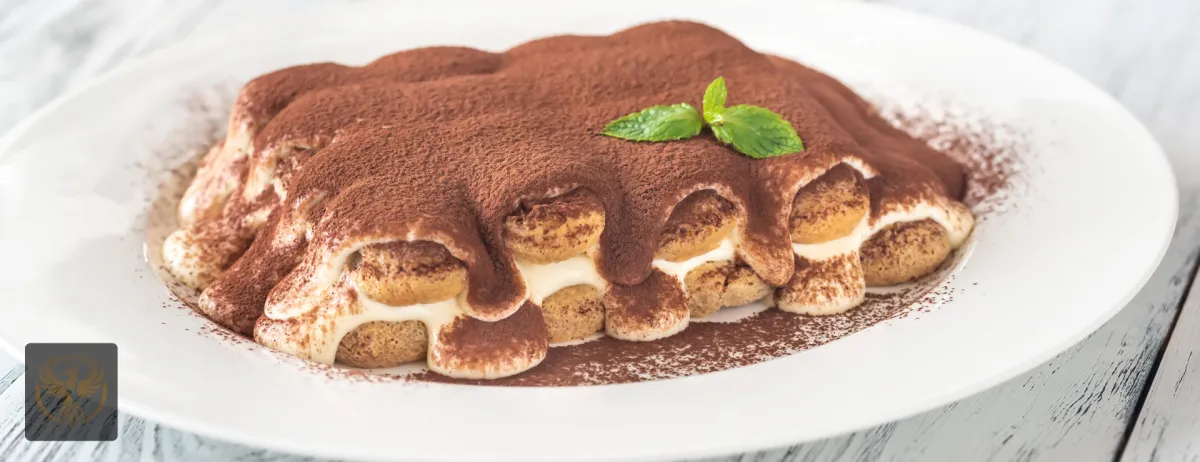
portion size explosion

Portion Size Explosion

February 11, 20267 min read

The Meal You Think Is Normal Was Engineered to Be Oversized

In the late 1970s, the average American consumed about 2,100 calories per day. By the mid 2000s, that number climbed to roughly 2,600. That is 500 additional calories every single day, and most people have no idea it happened.

The increase did not come from people suddenly becoming hungrier. It came from a systematic expansion of portion sizes across restaurants, packaged foods, and even home cooked meals. A landmark study published in JAMA by Nielsen and Popkin (2003) found that portion sizes of key food items increased significantly between 1977 and 1998, with the largest jumps occurring at fast food establishments and inside the home.

This matters for executives and professionals who eat out frequently, travel for work, and rely on convenience. The environment around food has changed dramatically, and unless you understand how portions have been manipulated, you will continue to overeat without realizing it.

What the Research Says About Portion Inflation

The data on portion size expansion is not ambiguous. Nielsen and Popkin analysed nationally representative dietary surveys spanning over 63,000 individuals and found that salty snack portions increased by 93 calories, soft drink portions grew from 13 ounces to nearly 20 ounces, and hamburger portions jumped by 97 calories between 1977 and 1998. These increases happened across every eating location, from restaurants to the kitchen table.

A more comprehensive analysis by Duffey and Popkin published in PLoS Medicine (2011) examined data from 1977 to 2006 and found that total daily energy intake rose by 570 calories over that period. Portion size was the single largest contributor to this increase, adding roughly 15 extra calories per day per year during the early decades of the study. That compounds. Over 30 years, that accumulation rewired what Americans consider a normal meal.

The most concerning finding is that these increases happened without people noticing. Research by Rolls, Morris, and Roe published in the American Journal of Clinical Nutrition (2002) demonstrated that when adults were served portions ranging from 500 grams to 1,000 grams of macaroni and cheese, they consumed 30% more energy from the largest portion compared to the smallest. This happened regardless of sex, body weight, or self-reported dietary restraint. The participants did not report feeling fuller. They simply ate what was placed in front of them.

Why Your Brain Cannot Tell the Difference

The portion size effect is not a matter of weak willpower. It is a documented cognitive bias. When food is presented in larger quantities, the brain recalibrates what it considers an appropriate amount. Researchers call this the portion size effect, and it operates below conscious awareness.

Rolls and colleagues (2007) published a study in Obesity showing that when portion sizes were increased by 50% for 11 consecutive days, participants consumed an average of 423 extra calories per day throughout the entire period. There was no compensatory reduction in eating. People did not eat less at later meals to balance things out. They simply consumed more, day after day, without self-correcting.

This finding is critical for busy professionals. If your meals are consistently oversized, whether from restaurants, delivery services, or corporate catering, you accumulate a caloric surplus that compounds into measurable fat gain over weeks and months. You do not feel yourself getting fatter. The weight arrives gradually, masked by the illusion that you are eating normally.

The Heart Attack Grill in Las Vegas serves as an extreme but instructive example. The restaurant offers a 20,000-calorie burger and has a 4.2-star rating with over 6,000 Google reviews. The owner openly states his food will kill customers. Multiple patrons have suffered fatal heart attacks on the premises. Yet people continue eating there because the environment normalizes the behavior. Scale that principle down to everyday restaurants serving portions 200% to 300% larger than necessary, and you begin to see why two thirds of adults in the United States are overweight or obese.

Portion Control as an Executive Skill

The fix is not complicated. It requires measurement, not motivation. Executives manage budgets, KPIs, and quarterly projections with precision. Body composition responds to the same discipline.

A systematic review and meta-analysis by Robinson and colleagues published in the British Journal of Nutrition (2023) found that reducing served food portion sizes produced a moderate to large decrease in daily energy intake, approximately 235 fewer calories per day. Larger reductions in portion size produced proportionally larger decreases in intake. The effect held across men and women, and longer duration studies showed no evidence that people compensated by eating more later.

The practical application breaks down into four steps.

First, measure your portions for two weeks. Use a food scale and measuring cups. Most people discover they are eating 30% to 50% more than they estimated. This initial measurement period recalibrates your visual perception of what a serving looks like.

Second, standardize your meals. When you eat the same meals daily, portion estimation becomes automatic. Decision fatigue disappears. You stop relying on your eyes, which have been trained by decades of oversized servings, and start relying on data.

Third, control your environment. Use smaller plates. Pre portion snacks into containers. When eating out, divide the meal in half before taking the first bite. Research consistently shows that environmental cues drive consumption more than hunger signals do.

Fourth, review weekly. Track your weight, waist measurements, and caloric intake on a seven-day cycle. This creates a feedback loop that prevents gradual drift back toward oversized portions.

What Happens When You Take Portions Back

Reclaiming control over portion sizes produces measurable results faster than most people expect.

In the first two weeks, hunger signals begin to recalibrate. The stomach adapts to smaller volumes. Cravings that were driven by volume rather than genuine energy need start to fade.

By week four, portion awareness becomes instinctive. You notice oversized servings at restaurants immediately. The visual recalibration that took decades to distort begins correcting itself within a month of consistent measurement.

By week eight to twelve, body composition changes become visible. If combined with a structured caloric deficit and adequate protein intake (1.8 to 2.2 grams per kilogram of body weight), waist measurements decrease and early muscle definition appears.

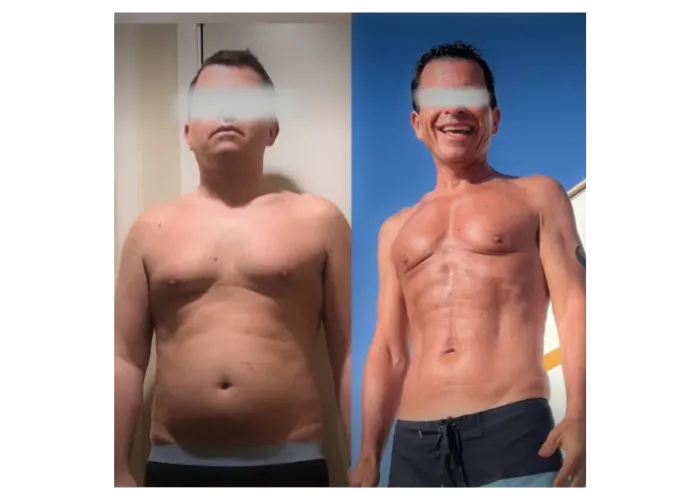
At six months, for someone with significant fat to lose, the transformation is unmistakable. But the real shift is internal. You stop seeing food as an uncontrolled variable and start treating it as a managed input, the same way you manage every other metric in your professional life.

Final Thoughts

The food industry spent fifty years making portions bigger without asking your permission. Every restaurant meal, every packaged snack, every so-called single serving has been engineered to exceed what your body actually needs.

You did not fail at portion control. You were never given accurate portions to control in the first place.

The executives and leaders who reclaim their body composition do not do it through willpower or motivation. They do it through measurement. They treat their nutrition the way they treat their business: with data, structure, and systems that remove guesswork.

Comment PORTION and I will send you the exact measurement system and portion control cheat sheet I used to lose 25 kilograms at 55.

Scientific References

  • Nielsen SJ, Popkin BM. Patterns and Trends in Food Portion Sizes, 1977 to 1998. JAMA. 2003;289(4):450 to 453.https://pubmed.ncbi.nlm.nih.gov/12533124/

  • Duffey KJ, Popkin BM. Energy Density, Portion Size, and Eating Occasions: Contributions to Increased Energy Intake in the United States, 1977 to 2006. PLoS Medicine. 2011;8(6):e1001050. https://pubmed.ncbi.nlm.nih.gov/21738451/

  • Rolls BJ, Morris EL, Roe LS. Portion Size of Food Affects Energy Intake in Normal Weight and Overweight Men and Women. American Journal of Clinical Nutrition. 2002;76(6):1207 to 1213. https://pubmed.ncbi.nlm.nih.gov/12450884/

  • Rolls BJ, Roe LS, Meengs JS. The Effect of Large Portion Sizes on Energy Intake Is Sustained for 11 Days. Obesity. 2007;15(6):1535 to 1543. https://pubmed.ncbi.nlm.nih.gov/17557991/

  • Robinson E, Haynes A, Hardman CA, Kemps E, Higgs S, Jones A. Downsizing Food: A Systematic Review and Meta Analysis Examining the Effect of Reducing Served Food Portion Sizes on Daily Energy Intake and Body Weight. British Journal of Nutrition. 2023;129(5):888 to 903. https://pubmed.ncbi.nlm.nih.gov/35450549/
proteinfat lossweight lossabsexecutivesleaderstransformationportions
Back to Blog

Portion Size Explosion

February 11, 20267 min read

The Meal You Think Is Normal Was Engineered to Be Oversized

In the late 1970s, the average American consumed about 2,100 calories per day. By the mid 2000s, that number climbed to roughly 2,600. That is 500 additional calories every single day, and most people have no idea it happened.

The increase did not come from people suddenly becoming hungrier. It came from a systematic expansion of portion sizes across restaurants, packaged foods, and even home cooked meals. A landmark study published in JAMA by Nielsen and Popkin (2003) found that portion sizes of key food items increased significantly between 1977 and 1998, with the largest jumps occurring at fast food establishments and inside the home.

This matters for executives and professionals who eat out frequently, travel for work, and rely on convenience. The environment around food has changed dramatically, and unless you understand how portions have been manipulated, you will continue to overeat without realizing it.

What the Research Says About Portion Inflation

The data on portion size expansion is not ambiguous. Nielsen and Popkin analysed nationally representative dietary surveys spanning over 63,000 individuals and found that salty snack portions increased by 93 calories, soft drink portions grew from 13 ounces to nearly 20 ounces, and hamburger portions jumped by 97 calories between 1977 and 1998. These increases happened across every eating location, from restaurants to the kitchen table.

A more comprehensive analysis by Duffey and Popkin published in PLoS Medicine (2011) examined data from 1977 to 2006 and found that total daily energy intake rose by 570 calories over that period. Portion size was the single largest contributor to this increase, adding roughly 15 extra calories per day per year during the early decades of the study. That compounds. Over 30 years, that accumulation rewired what Americans consider a normal meal.

The most concerning finding is that these increases happened without people noticing. Research by Rolls, Morris, and Roe published in the American Journal of Clinical Nutrition (2002) demonstrated that when adults were served portions ranging from 500 grams to 1,000 grams of macaroni and cheese, they consumed 30% more energy from the largest portion compared to the smallest. This happened regardless of sex, body weight, or self-reported dietary restraint. The participants did not report feeling fuller. They simply ate what was placed in front of them.

Why Your Brain Cannot Tell the Difference

The portion size effect is not a matter of weak willpower. It is a documented cognitive bias. When food is presented in larger quantities, the brain recalibrates what it considers an appropriate amount. Researchers call this the portion size effect, and it operates below conscious awareness.

Rolls and colleagues (2007) published a study in Obesity showing that when portion sizes were increased by 50% for 11 consecutive days, participants consumed an average of 423 extra calories per day throughout the entire period. There was no compensatory reduction in eating. People did not eat less at later meals to balance things out. They simply consumed more, day after day, without self-correcting.

This finding is critical for busy professionals. If your meals are consistently oversized, whether from restaurants, delivery services, or corporate catering, you accumulate a caloric surplus that compounds into measurable fat gain over weeks and months. You do not feel yourself getting fatter. The weight arrives gradually, masked by the illusion that you are eating normally.

The Heart Attack Grill in Las Vegas serves as an extreme but instructive example. The restaurant offers a 20,000-calorie burger and has a 4.2-star rating with over 6,000 Google reviews. The owner openly states his food will kill customers. Multiple patrons have suffered fatal heart attacks on the premises. Yet people continue eating there because the environment normalizes the behavior. Scale that principle down to everyday restaurants serving portions 200% to 300% larger than necessary, and you begin to see why two thirds of adults in the United States are overweight or obese.

Portion Control as an Executive Skill

The fix is not complicated. It requires measurement, not motivation. Executives manage budgets, KPIs, and quarterly projections with precision. Body composition responds to the same discipline.

A systematic review and meta-analysis by Robinson and colleagues published in the British Journal of Nutrition (2023) found that reducing served food portion sizes produced a moderate to large decrease in daily energy intake, approximately 235 fewer calories per day. Larger reductions in portion size produced proportionally larger decreases in intake. The effect held across men and women, and longer duration studies showed no evidence that people compensated by eating more later.

The practical application breaks down into four steps.

First, measure your portions for two weeks. Use a food scale and measuring cups. Most people discover they are eating 30% to 50% more than they estimated. This initial measurement period recalibrates your visual perception of what a serving looks like.

Second, standardize your meals. When you eat the same meals daily, portion estimation becomes automatic. Decision fatigue disappears. You stop relying on your eyes, which have been trained by decades of oversized servings, and start relying on data.

Third, control your environment. Use smaller plates. Pre portion snacks into containers. When eating out, divide the meal in half before taking the first bite. Research consistently shows that environmental cues drive consumption more than hunger signals do.

Fourth, review weekly. Track your weight, waist measurements, and caloric intake on a seven-day cycle. This creates a feedback loop that prevents gradual drift back toward oversized portions.

What Happens When You Take Portions Back

Reclaiming control over portion sizes produces measurable results faster than most people expect.

In the first two weeks, hunger signals begin to recalibrate. The stomach adapts to smaller volumes. Cravings that were driven by volume rather than genuine energy need start to fade.

By week four, portion awareness becomes instinctive. You notice oversized servings at restaurants immediately. The visual recalibration that took decades to distort begins correcting itself within a month of consistent measurement.

By week eight to twelve, body composition changes become visible. If combined with a structured caloric deficit and adequate protein intake (1.8 to 2.2 grams per kilogram of body weight), waist measurements decrease and early muscle definition appears.

At six months, for someone with significant fat to lose, the transformation is unmistakable. But the real shift is internal. You stop seeing food as an uncontrolled variable and start treating it as a managed input, the same way you manage every other metric in your professional life.

Final Thoughts

The food industry spent fifty years making portions bigger without asking your permission. Every restaurant meal, every packaged snack, every so-called single serving has been engineered to exceed what your body actually needs.

You did not fail at portion control. You were never given accurate portions to control in the first place.

The executives and leaders who reclaim their body composition do not do it through willpower or motivation. They do it through measurement. They treat their nutrition the way they treat their business: with data, structure, and systems that remove guesswork.

Comment PORTION and I will send you the exact measurement system and portion control cheat sheet I used to lose 25 kilograms at 55.

Scientific References

  • Nielsen SJ, Popkin BM. Patterns and Trends in Food Portion Sizes, 1977 to 1998. JAMA. 2003;289(4):450 to 453.https://pubmed.ncbi.nlm.nih.gov/12533124/

  • Duffey KJ, Popkin BM. Energy Density, Portion Size, and Eating Occasions: Contributions to Increased Energy Intake in the United States, 1977 to 2006. PLoS Medicine. 2011;8(6):e1001050. https://pubmed.ncbi.nlm.nih.gov/21738451/

  • Rolls BJ, Morris EL, Roe LS. Portion Size of Food Affects Energy Intake in Normal Weight and Overweight Men and Women. American Journal of Clinical Nutrition. 2002;76(6):1207 to 1213. https://pubmed.ncbi.nlm.nih.gov/12450884/

  • Rolls BJ, Roe LS, Meengs JS. The Effect of Large Portion Sizes on Energy Intake Is Sustained for 11 Days. Obesity. 2007;15(6):1535 to 1543. https://pubmed.ncbi.nlm.nih.gov/17557991/

  • Robinson E, Haynes A, Hardman CA, Kemps E, Higgs S, Jones A. Downsizing Food: A Systematic Review and Meta Analysis Examining the Effect of Reducing Served Food Portion Sizes on Daily Energy Intake and Body Weight. British Journal of Nutrition. 2023;129(5):888 to 903. https://pubmed.ncbi.nlm.nih.gov/35450549/

proteinfat lossweight lossabsexecutivesleaderstransformationportions
Back to Blog

THE HEALTH MANIFESTO

We’re living through the silent collapse

People are tired. Inflamed. Anxious. Overweight. Under-muscled.

Overfed with misinformation, yet undernourished in truth.

This isn’t a book. It’s a call to reclaim what was stolen - energy, strength and clarity.

The ability to say no to a system designed to keep us sick and compliant.

We are sick. Not metaphorically – literally.

Obesity is skyrocketing.

Chronic disease is the default.

Anxiety, depression, infertility and autoimmune dysfunction.

The modern epidemic is not one disease, but a whole ecosystem of slow, preventable collapse.

And it’s not your fault.

You’ve been lied to.

Download The Health manifesto for Free

Portion Size Explosion

February 11, 20267 min read

The Meal You Think Is Normal Was Engineered to Be Oversized

In the late 1970s, the average American consumed about 2,100 calories per day. By the mid 2000s, that number climbed to roughly 2,600. That is 500 additional calories every single day, and most people have no idea it happened.

The increase did not come from people suddenly becoming hungrier. It came from a systematic expansion of portion sizes across restaurants, packaged foods, and even home cooked meals. A landmark study published in JAMA by Nielsen and Popkin (2003) found that portion sizes of key food items increased significantly between 1977 and 1998, with the largest jumps occurring at fast food establishments and inside the home.

This matters for executives and professionals who eat out frequently, travel for work, and rely on convenience. The environment around food has changed dramatically, and unless you understand how portions have been manipulated, you will continue to overeat without realizing it.

What the Research Says About Portion Inflation

The data on portion size expansion is not ambiguous. Nielsen and Popkin analysed nationally representative dietary surveys spanning over 63,000 individuals and found that salty snack portions increased by 93 calories, soft drink portions grew from 13 ounces to nearly 20 ounces, and hamburger portions jumped by 97 calories between 1977 and 1998. These increases happened across every eating location, from restaurants to the kitchen table.

A more comprehensive analysis by Duffey and Popkin published in PLoS Medicine (2011) examined data from 1977 to 2006 and found that total daily energy intake rose by 570 calories over that period. Portion size was the single largest contributor to this increase, adding roughly 15 extra calories per day per year during the early decades of the study. That compounds. Over 30 years, that accumulation rewired what Americans consider a normal meal.

The most concerning finding is that these increases happened without people noticing. Research by Rolls, Morris, and Roe published in the American Journal of Clinical Nutrition (2002) demonstrated that when adults were served portions ranging from 500 grams to 1,000 grams of macaroni and cheese, they consumed 30% more energy from the largest portion compared to the smallest. This happened regardless of sex, body weight, or self-reported dietary restraint. The participants did not report feeling fuller. They simply ate what was placed in front of them.

Why Your Brain Cannot Tell the Difference

The portion size effect is not a matter of weak willpower. It is a documented cognitive bias. When food is presented in larger quantities, the brain recalibrates what it considers an appropriate amount. Researchers call this the portion size effect, and it operates below conscious awareness.

Rolls and colleagues (2007) published a study in Obesity showing that when portion sizes were increased by 50% for 11 consecutive days, participants consumed an average of 423 extra calories per day throughout the entire period. There was no compensatory reduction in eating. People did not eat less at later meals to balance things out. They simply consumed more, day after day, without self-correcting.

This finding is critical for busy professionals. If your meals are consistently oversized, whether from restaurants, delivery services, or corporate catering, you accumulate a caloric surplus that compounds into measurable fat gain over weeks and months. You do not feel yourself getting fatter. The weight arrives gradually, masked by the illusion that you are eating normally.

The Heart Attack Grill in Las Vegas serves as an extreme but instructive example. The restaurant offers a 20,000-calorie burger and has a 4.2-star rating with over 6,000 Google reviews. The owner openly states his food will kill customers. Multiple patrons have suffered fatal heart attacks on the premises. Yet people continue eating there because the environment normalizes the behavior. Scale that principle down to everyday restaurants serving portions 200% to 300% larger than necessary, and you begin to see why two thirds of adults in the United States are overweight or obese.

Portion Control as an Executive Skill

The fix is not complicated. It requires measurement, not motivation. Executives manage budgets, KPIs, and quarterly projections with precision. Body composition responds to the same discipline.

A systematic review and meta-analysis by Robinson and colleagues published in the British Journal of Nutrition (2023) found that reducing served food portion sizes produced a moderate to large decrease in daily energy intake, approximately 235 fewer calories per day. Larger reductions in portion size produced proportionally larger decreases in intake. The effect held across men and women, and longer duration studies showed no evidence that people compensated by eating more later.

The practical application breaks down into four steps.

First, measure your portions for two weeks. Use a food scale and measuring cups. Most people discover they are eating 30% to 50% more than they estimated. This initial measurement period recalibrates your visual perception of what a serving looks like.

Second, standardize your meals. When you eat the same meals daily, portion estimation becomes automatic. Decision fatigue disappears. You stop relying on your eyes, which have been trained by decades of oversized servings, and start relying on data.

Third, control your environment. Use smaller plates. Pre portion snacks into containers. When eating out, divide the meal in half before taking the first bite. Research consistently shows that environmental cues drive consumption more than hunger signals do.

Fourth, review weekly. Track your weight, waist measurements, and caloric intake on a seven-day cycle. This creates a feedback loop that prevents gradual drift back toward oversized portions.

What Happens When You Take Portions Back

Reclaiming control over portion sizes produces measurable results faster than most people expect.

In the first two weeks, hunger signals begin to recalibrate. The stomach adapts to smaller volumes. Cravings that were driven by volume rather than genuine energy need start to fade.

By week four, portion awareness becomes instinctive. You notice oversized servings at restaurants immediately. The visual recalibration that took decades to distort begins correcting itself within a month of consistent measurement.

By week eight to twelve, body composition changes become visible. If combined with a structured caloric deficit and adequate protein intake (1.8 to 2.2 grams per kilogram of body weight), waist measurements decrease and early muscle definition appears.

At six months, for someone with significant fat to lose, the transformation is unmistakable. But the real shift is internal. You stop seeing food as an uncontrolled variable and start treating it as a managed input, the same way you manage every other metric in your professional life.

Final Thoughts

The food industry spent fifty years making portions bigger without asking your permission. Every restaurant meal, every packaged snack, every so-called single serving has been engineered to exceed what your body actually needs.

You did not fail at portion control. You were never given accurate portions to control in the first place.

The executives and leaders who reclaim their body composition do not do it through willpower or motivation. They do it through measurement. They treat their nutrition the way they treat their business: with data, structure, and systems that remove guesswork.

Comment PORTION and I will send you the exact measurement system and portion control cheat sheet I used to lose 25 kilograms at 55.

Scientific References

  • Nielsen SJ, Popkin BM. Patterns and Trends in Food Portion Sizes, 1977 to 1998. JAMA. 2003;289(4):450 to 453.https://pubmed.ncbi.nlm.nih.gov/12533124/

  • Duffey KJ, Popkin BM. Energy Density, Portion Size, and Eating Occasions: Contributions to Increased Energy Intake in the United States, 1977 to 2006. PLoS Medicine. 2011;8(6):e1001050. https://pubmed.ncbi.nlm.nih.gov/21738451/

  • Rolls BJ, Morris EL, Roe LS. Portion Size of Food Affects Energy Intake in Normal Weight and Overweight Men and Women. American Journal of Clinical Nutrition. 2002;76(6):1207 to 1213. https://pubmed.ncbi.nlm.nih.gov/12450884/

  • Rolls BJ, Roe LS, Meengs JS. The Effect of Large Portion Sizes on Energy Intake Is Sustained for 11 Days. Obesity. 2007;15(6):1535 to 1543. https://pubmed.ncbi.nlm.nih.gov/17557991/

  • Robinson E, Haynes A, Hardman CA, Kemps E, Higgs S, Jones A. Downsizing Food: A Systematic Review and Meta Analysis Examining the Effect of Reducing Served Food Portion Sizes on Daily Energy Intake and Body Weight. British Journal of Nutrition. 2023;129(5):888 to 903. https://pubmed.ncbi.nlm.nih.gov/35450549/

Back to Blog

Disclaimer: This is provided for educational and informational purposes only and does not constitute providing medical advice or professional services. The information provided should not be used for diagnosing or treating a health problem or disease, and those seeking personal medical advice should consult with a licensed physician.

When you’re ready, here are two ways I can help

1. The ShredTech Protocol: Lose fat, build strength, and restore energy with a system built for busy leaders. Evidence-based nutrition, efficient training, real results. Start your transformation here .

2. Private Coaching: For founders and executives who want a complete physical and mental reset. Fully tailored, data-driven, and discreet. Apply here .

Sign up for the weekly mailing list and get exclusive insights, unreleased content, and unfiltered truths the mainstream won’t touch.

Unsubscribe anytime.

Zero guilt. Total control.

ShredTech on Instagram
ShredTech on Facebook
ShredTech on ikTok
Nuno on LinkedIn
ShredTech n YouTube
ShredTech on X
Talk to Us
Soon...
ShredTech on Instagram
ShredTech on Facebook
ShredTech on ikTok
Nuno on LinkedIn
Soon...
Talk to Us
ShredTech on X
ShredTech n YouTube

All the information on this site is provided for educational and informational purposes only and does not constitute providing medical advice or professional services. The information provided should not be used for diagnosing or treating a health problem or disease, and those seeking personal medical advice should consult with a licensed physician.

© Human Due Diligence. 2026.
All Rights Reserved.