

Obesity By Design
Nobody wakes up and chooses obesity. But the food system chose it for you.
According to the CDC, 40.3% of American adults are now classified as obese, based on data from the National Health and Nutrition Examination Survey conducted between 2021 and 2023 (Emmerich et al., NCHS Data Brief No. 508, 2024). That number has tripled since 1960. The question everyone asks is "why?" The answer is not willpower. The answer is product design.
Modern food is engineered. Specific combinations of fat, sugar, and sodium are calibrated to override your brain's satiety signals, making it difficult to stop eating even when your body has had enough. Researchers at the University of Kansas found that 62% of foods in the US food supply meet the criteria for being hyperpalatable, meaning they contain nutrient combinations specifically associated with compulsive overeating (Fazzino et al., Obesity, 2019). That percentage was 49% in 1988. The food got more addictive while the portion sizes got larger.
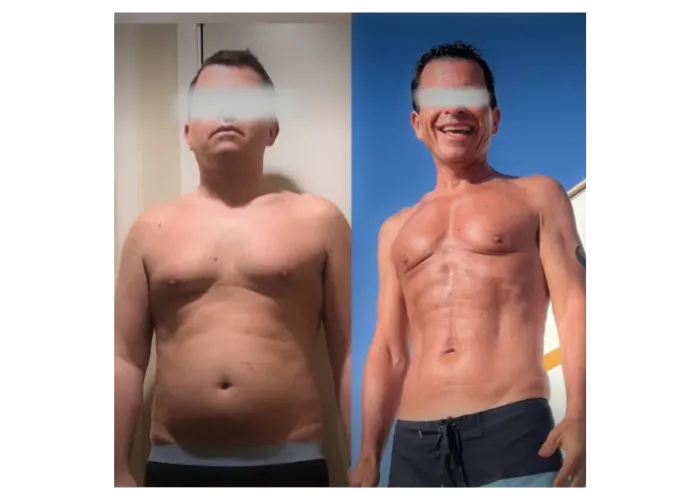
This article breaks down the science behind engineered eating, explains why your hunger signals are being hijacked, and provides the system I used to reverse the damage at age 52.
The Science of Engineered Overeating
In 2019, researchers at the National Institutes of Health published the first randomised controlled trial directly testing what happens when people eat ultra processed food versus whole food. The study, led by Kevin Hall and published in Cell Metabolism, admitted 20 adults to a metabolic ward for four weeks. Each participant spent two weeks eating an ultra processed diet and two weeks eating an unprocessed diet. The meals were matched for calories, macronutrients, sugar, fat, fibre, and sodium.
The results were striking. Participants on the ultra processed diet consumed an average of 508 additional calories per day compared to the unprocessed diet. They ate faster. They gained weight. When switched to the unprocessed diet, they spontaneously ate less and lost weight. The food itself, not the calorie content or macronutrient breakdown, drove the overeating (Hall et al., Cell Metabolism, 2019).
This matters because it dismantles the idea that obesity is simply about personal discipline. When the food is engineered to bypass normal appetite regulation, discipline becomes almost irrelevant. You are not fighting hunger. You are fighting a product designed to make you consume more of it.
A separate meta analysis by Moradi et al. (2023), published in Critical Reviews in Food Science and Nutrition, reviewed observational studies and found that ultra processed food consumption was associated with a 55% increased risk of obesity and a 41% increased risk of abdominal obesity. Every 10% increase in daily calories from ultra processed food correlated with a 6% higher risk of obesity.
How Hyperpalatable Food Hijacks Your Brain
The concept of hyperpalatability refers to specific combinations of nutrients that make food unusually difficult to stop eating. Research led by Tera Fazzino at the University of Kansas established a quantitative framework for identifying these foods based on three nutrient clusters: fat combined with sodium, fat combined with simple sugars, and carbohydrates combined with sodium (Fazzino et al., Obesity, 2019).
When applied to the USDA Food and Nutrient Database for Dietary Studies, 62% of catalogued foods met the criteria for at least one hyperpalatable cluster. Among those, 70% were high in fat and sodium, products like processed meats, cheese based dishes, and ready meals. A follow up study showed that the prevalence of hyperpalatable food in the US food system increased by 20 percentage points between 1988 and 2018 (Fazzino et al., Public Health Nutrition, 2023).
These foods activate reward pathways in the brain, specifically the hypothalamus and dopaminergic circuits, in ways that resemble patterns observed in substance dependence. When you eat a meal designed around these combinations, your brain registers intense pleasure and simultaneously fails to register adequate fullness. The result is that you keep eating past the point your body needs fuel.
This is not a metaphor. It is a measurable neurological response. And it explains why people who switch from processed to whole food diets frequently report that their appetite "resets" within days.
Why the Food Industry Benefits From Your Overconsumption
The business model is simple. Companies that sell food by volume profit when you eat more. Hyperpalatable formulations increase consumption. The products are cheap to manufacture because they rely on industrial ingredients like high fructose corn syrup, hydrogenated oils, and synthetic flavour agents. They are shelf stable, reducing waste costs. They are engineered for convenience, reducing the friction between impulse and consumption.
The NIH study found that the weekly ingredient cost for 2,000 calories of ultra processed meals was approximately $106, versus $151 for unprocessed meals (Hall et al., 2019). Processed food is not only more addictive. It is cheaper to produce and sell. This creates a financial incentive to engineer food that makes people eat more while spending less on ingredients.
The placement of these products in grocery stores is not random either. Products engineered for maximum consumption sit at eye level and dominate end cap displays. Marketing budgets for processed food dwarf those for whole foods. The system is designed from shelf to stomach.
The System to Fight Back
Understanding the problem changes the solution. If obesity is driven by engineered food, the fix is not more willpower. It is removing the engineered food and replacing it with a structure that makes overeating difficult.
Strip the hyperpalatability from your meals. When you eat whole, single ingredient foods, your brain's satiety system works properly. Appetite corrects itself. The Hall study showed that people on an unprocessed diet spontaneously reduced their calorie intake without being told to eat less.
Anchor every meal to protein. Aim for 1.8 to 2.2 grams per kilogram of body weight daily. Protein increases satiety, preserves lean mass during fat loss, and reduces cravings. When protein intake is adequate, total calorie intake tends to regulate itself.
Make meals boring and predictable. Variety drives consumption. When food is novel and exciting, you eat more of it. When meals become routine, food loses its emotional grip. You eat for fuel, not for dopamine. This is the boring meal approach, and it works precisely because it removes the engineered reward loop.
Walk 8,000 to 12,000 steps daily. Walking creates a sustainable calorie deficit without triggering the compensatory hunger that intense exercise produces. Combine this with resistance training three to four times per week to preserve muscle and shape your physique as body fat drops.
Track everything weekly. Measure weight and waist circumference. Photograph your meals. Review trends every seven days. Data replaces guesswork and keeps you accountable to a system instead of relying on motivation, which fades.
Final Thoughts
Obesity is not a character flaw. It is the predictable outcome of a food environment that has been systematically redesigned over the past three decades to make you eat more.
The science is clear. Ultra processed food causes overconsumption independent of calorie content or macronutrient balance. Hyperpalatable formulations have saturated the food supply, increasing from 49% to 69% of available products in just 30 years. And the people who profit from this system have no incentive to change it.
But you can change your response. Replace engineered food with whole food. Anchor to protein. Remove variety. Walk daily. Track weekly. The system works because it removes the very mechanisms the food industry uses against you.
Comment DESIGN for the free 30 day boring meal plan that reverses engineered eating.
Scientific References
1. Hall, K.D. et al. (2019). Ultra Processed Diets Cause Excess Calorie Intake and Weight Gain: An Inpatient Randomized Controlled Trial of Ad Libitum Food Intake. Cell Metabolism, 30(1), 67–77. https://pubmed.ncbi.nlm.nih.gov/31105044/
2. Fazzino, T.L., Rohde, K., & Sullivan, D.K. (2019). Hyper Palatable Foods: Development of a Quantitative Definition and Application to the US Food System Database. Obesity, 27(11), 1761–1768. https://pubmed.ncbi.nlm.nih.gov/31689013/
3. Moradi, S. et al. (2023). Ultra processed food consumption and adult obesity risk: a systematic review and dose response meta analysis. Critical Reviews in Food Science and Nutrition, 63(2), 249–260. https://pubmed.ncbi.nlm.nih.gov/34190668/
4. Fazzino, T.L. et al. (2023). Change in hyper palatable food availability in the US food system over 30 years: 1988–2018. Public Health Nutrition, 26(1), 17–25. https://pmc.ncbi.nlm.nih.gov/articles/PMC9672140/
5. Emmerich, S.D. et al. (2024). Prevalence of Obesity Among Adults: United States, August 2021–August 2023. NCHS Data Brief No. 508. https://www.cdc.gov/nchs/products/databriefs/db508.htm









Mail
Facebook
LinkedIn
X
Pinterest
Snapchat
Reddit